Corporate flowers for Hampstead offices and shops
Posted on 16/10/2026
Fresh flowers change the feel of a room fast. In a Hampstead office, they can soften a reception desk that otherwise looks a bit too corporate. In a shop, they can make the front window feel warmer, more polished, and just a little more inviting. That is really the point of Corporate flowers for Hampstead offices and shops: not decoration for decoration's sake, but a smart, low-effort way to improve how your space is experienced by clients, customers, staff, and passers-by.
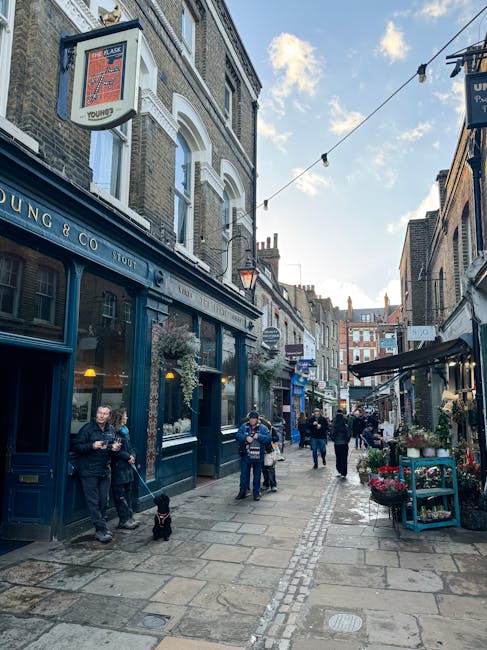
Hampstead has its own rhythm. Busy enough to need a strong first impression, but discerning enough that details matter. A weekly floral arrangement in a law firm, a boutique, a salon, a cafe, or a small gallery can say a lot before anyone even speaks. This guide walks through how corporate flowers work, what to choose, how to plan them properly, and the common mistakes that quietly undermine the result. No fluff. Just the practical stuff that helps you get it right.
Table of Contents
- Why corporate flowers for Hampstead offices and shops matters
- How corporate flowers for Hampstead offices and shops works
- Key benefits and practical advantages
- Who this is for and when it makes sense
- Step-by-step guidance
- Expert tips for better results
- Common mistakes to avoid
- Tools, resources and recommendations
- Law, compliance, standards, or best practice
- Options, methods, or comparison table
- Case study or real-world example
- Practical checklist
- Conclusion
- Frequently asked questions
Why Corporate flowers for Hampstead offices and shops Matters
Let's face it: most people decide how they feel about a place within seconds. That first impression is based on light, layout, cleanliness, scent, colour, and the tiny details that are easy to overlook when you are busy running a business. Flowers belong in that category of small details that quietly do a lot of work.
For Hampstead offices, flowers help a space feel considered rather than purely functional. In client-facing businesses, that matters more than people sometimes admit. A neat vase of seasonal stems on a reception counter can make a waiting area feel calm, cared for, and a touch more premium. In a shop, flowers can guide the eye, soften hard edges, and create a more welcoming threshold. You want customers to pause for half a second longer. That half second can matter.
There is also a human side to it. Staff notice. A tidy workspace with fresh flowers often feels less sterile. On a grey Tuesday morning, that small lift can be surprisingly welcome. You will see people glance at them, comment on them, and occasionally lean in to ask what they are. Nothing dramatic. Just enough warmth to change the mood.
In Hampstead especially, where many businesses serve local residents, professionals, and visitors with high expectations, presentation is part of the service. Flowers are not a luxury add-on in every case; sometimes they are part of the brand language. They help show care, taste, and consistency without saying a word.
Expert summary: corporate flowers work best when they support your brand, suit the space, and stay easy to maintain. The goal is not "more flowers". The goal is the right flowers, in the right place, refreshed at the right time.
How Corporate flowers for Hampstead offices and shops Works
At a practical level, corporate flower service is simple. A florist supplies arrangements on a one-off or recurring basis, delivers them to your office or shop, and refreshes them according to an agreed schedule. In practice, the best arrangements are planned around your space, budget, and how much attention your team can realistically give them.
For offices, the usual starting points are reception, meeting rooms, communal kitchens, and waiting areas. For shops, the window display, counter, till point, and product areas often matter most. The arrangement needs to complement the space, not crowd it. A tall arrangement that looks stunning in a showroom may feel awkward on a small retail counter. Scale matters. A lot, actually.
Most businesses choose one of three service styles:
- Regular fresh flower delivery for weekly or fortnightly replacement.
- Seasonal styling for changing displays that follow the time of year.
- Event-led flowers for launches, VIP visits, open days, or special promotions.
Some businesses also prefer a mix of core neutral arrangements with occasional feature pieces. That can work very well in Hampstead, where understated elegance often lands better than something loud. If your brand is modern, minimal, or premium, think structure and texture rather than overly busy bouquets. If your shop is more playful or gift-led, colour can be used more freely.
Delivery timing matters too. Early morning is often ideal for offices and retail premises, because it keeps disruption low. Fresh stems should arrive before footfall starts building, not halfway through the day when someone is trying to answer emails or serve customers. Small operational detail, big difference.
If you already use a florist for other occasions, such as flower delivery in Hampstead NW6, that can be a helpful starting point. Corporate arrangements simply need more consistency and more thought about placement, upkeep, and tone.
Key Benefits and Practical Advantages
Corporate flowers do more than look nice. That may sound obvious, but the actual business value is broader than many people expect.
1. Better first impressions
A tidy, elegant arrangement suggests order and attention to detail. In a reception area, that can support your brand before a single conversation begins. In a shop, it can make a window or counter feel more curated and inviting.
2. A more comfortable atmosphere
Flowers soften interiors that might otherwise feel cold or clinical. Offices with glass, metal, and neutral decor often benefit from a little colour and texture. Even one well-chosen arrangement can stop a room feeling flat.
3. Seasonal freshness without a full redesign
You do not need to repaint walls or replace furniture to refresh a space. Seasonal flowers let you change the mood with minimal disruption. Spring can feel light and bright; winter can feel richer and more grounded.
4. Better brand consistency
When colours, vessel style, and placement stay aligned with your identity, flowers become part of the overall brand experience. That is useful for businesses that care about tone and presentation, which in Hampstead is quite a lot of them, truth be told.
5. Useful for customer-facing moments
If you host meetings, consultations, open days, or short appointments, flowers help create a calmer setting. People relax faster in pleasant environments. It is not magic. It is just good hospitality.
6. Flexible for budget and scale
You can do this modestly or more expansively. A small boutique may only need one striking display and a few accents. A larger office may benefit from multiple arrangements across different zones. There is room to tailor the approach without losing the effect.
| Goal | Best floral approach | Why it works |
|---|---|---|
| Reception impact | One medium statement arrangement | Creates an immediate focal point without clutter |
| Retail window appeal | Seasonal colour-led design | Draws attention from the street and supports visual merchandising |
| Office calm | Low-profile, long-lasting flowers | Feels polished and is easy to maintain |
| Premium brand feel | Monochrome or tonal palette | Looks intentional and refined |
| Frequent client visits | Regular refresh schedule | Keeps the space looking consistently cared for |
Who This Is For and When It Makes Sense
Corporate flowers make sense for a wide range of Hampstead businesses, but not every business needs the same setup. The key question is simple: what role should the flowers play?
This is a strong fit if you run:
- a professional office with a reception or meeting space
- a boutique, gallery, or showroom with a street-facing window
- a salon, spa, clinic, or wellness studio where atmosphere matters
- a cafe, deli, or hospitality venue that wants a polished feel
- a property office or consultancy that sees clients regularly
- a small independent shop that wants to look distinctive on a busy high street
It also makes sense for businesses that do not have the time or confidence to keep buying flowers ad hoc. One-off bunches can be lovely, but they are rarely consistent. If you have ever bought something "quickly" and then realised three days later that it is drooping near the radiator, you already know the problem.
Flowers are especially useful when:
- you want to improve a space without major refurbishment
- your business is entering a busy season and presentation matters more
- you are welcoming new clients or launching a new brand look
- your shopfront needs a more inviting seasonal refresh
- you want a subtle but noticeable point of difference from nearby premises
On the other hand, if your space is tiny, heavily exposed to heat, or lacks anywhere sensible to place an arrangement, you may need a more compact approach. That does not rule it out; it just means planning matters more.
Step-by-Step Guidance
If you are setting up corporate flowers for the first time, keep it straightforward. The best results usually come from clear choices, not overthinking every stem.
- Identify the purpose. Decide whether flowers are meant to welcome visitors, support brand image, brighten staff areas, or improve retail presentation. One arrangement can do several jobs, but one job should be primary.
- Choose the placement. Reception, counter, window, meeting room, and communal area are the usual contenders. Pick the spot where people actually notice them. Not tucked behind a leaflet stand. That happens more than you would think.
- Match the style to the brand. Elegant neutrals suit professional services and luxury retail. Brighter seasonal colours may suit gift shops or more creative spaces. Avoid anything that clashes with your interiors or logo palette.
- Think about maintenance. Ask who will top up water, remove stems, or report issues. If no one has time, choose lower-maintenance designs or a refresh schedule that keeps things simple.
- Set the frequency. Weekly is common for a fresh premium look, though some businesses prefer fortnightly depending on room temperature and footfall.
- Review the impact after a couple of cycles. Are customers noticing them? Are they too tall? Too subtle? Too expensive for the return? Small adjustments usually improve the outcome quickly.
A good florist should help with all of this rather than just dropping off a vase and disappearing. If they are thoughtful, they will ask about light levels, placement, brand tone, and who in the business will actually deal with the flowers day to day.
If you are working with a reliable local supplier such as a florist in Hampstead NW6, ask for examples of corporate styling rather than only retail bouquets. Corporate work has its own rhythm. It should feel easy, not fiddly.
Expert Tips for Better Results
Here is where a bit of experience pays off. Corporate flowers look best when they feel deliberate, not merely decorative.
Choose texture as well as colour
People often focus on colour first. Fair enough. But texture is what makes an arrangement look rich and considered. Mix softer petals with structural greenery or stems that hold their shape. That contrast gives depth.
Be honest about the room
A flowers arrangement that looks perfect in a bright showroom may feel too large for a narrow hallway. Ceiling height, wall colour, natural light, and furniture placement all matter. The room sets the rules.
Keep scent in mind
Some flowers are strongly scented and lovely in the right setting, but they can be overpowering in compact offices or customer-facing spaces. If people sit close by, choose carefully. Scent should enhance the room, not dominate it.
Use the season without becoming predictable
Seasonal flowers feel fresh and relevant, but you do not need to follow a rigid formula. A winter arrangement can still be light. A summer display can still be restrained. Balance is what keeps things elegant.
Think in zones
If your business has more than one public area, do not treat them all the same. The entrance can be more expressive. Meeting rooms can be calmer. Staff areas can be practical and cheerful. One size rarely fits all.
A small aside, because it is true: the best flower displays are often the ones people stop noticing in a good way. They just fit. And that is the whole trick, really.
Common Mistakes to Avoid
Corporate flowers can look fantastic, but a few avoidable mistakes can make them feel awkward or expensive without adding real value.
- Choosing arrangements that are too large. Oversized flowers can dominate a reception desk or make a shop counter feel cramped.
- Ignoring light and temperature. A vase near direct sun, a radiator, or an air-conditioning vent will shorten vase life and create extra waste.
- Picking colours that fight the interior. If your space is already busy, very bold flowers can make it feel chaotic rather than polished.
- Assuming one arrangement suits every area. Reception, meeting room, and retail window all have different needs.
- Leaving refreshes too long. Corporate flowers should look consistently presentable, not half-tired.
- Forgetting practical maintenance. Who changes the water? Who checks for fallen petals? Who approves replacement? These small details matter.
- Using flowers that feel too generic. Generic is fine for some spaces, but if your brand is premium or distinctive, the arrangement should feel custom rather than off-the-shelf.
The most common issue? Under-briefing. A florist can only do so much with vague instructions like "something nice". Something nice is a start, yes, but it is not a plan.
Tools, Resources and Recommendations
You do not need a complicated system to manage flowers well. A few simple tools and habits make a big difference.
- A clear placement plan so everyone knows where arrangements belong
- A basic schedule for delivery, water changes, and refreshes
- A budget range that covers regular delivery without last-minute surprises
- A contact person in the office or shop for quick decisions
- A note on brand colours and preferences so the florist can keep things consistent
It also helps to look at related flower categories if you want to shape the style of your corporate arrangements. For example, a business aiming for a clean and light look may prefer white flowers or mixed colours, while a more luxurious reception may suit luxury flowers. For longer-lasting display ideas, products such as flowers in a vase are often practical because they are ready to place with less handling.
If your team is looking for recurring arrangements rather than one-off orders, a service like corporate accounts can make planning more efficient. That is especially useful if you want a consistent schedule and easier administration. And if you need to understand care expectations, the site's flower care guidance is worth a look before you commit to a routine.
Law, Compliance, Standards, or Best Practice
For most flower displays in offices and shops, there is no special legal hurdle beyond standard business responsibilities. Still, a sensible approach is worth taking. In a shared workspace, a shop, or a reception area, you should think about access, trip hazards, maintenance, and any impact on people with allergies or sensitivities. That is just good practice.
Here are the practical points to keep in mind:
- Keep walkways clear. Flower stands, plinths, and tall arrangements should not obstruct movement or fire routes.
- Choose stable containers. A crowded shop or busy front desk can knock over flimsy vessels quickly.
- Avoid unnecessary fragrance in confined spaces. Strong scents can become uncomfortable in meeting rooms or small offices.
- Agree who is responsible for upkeep. Even the best arrangements need basic care.
- Use suppliers with clear policies. If you care about sourcing, sustainability, or ethical standards, ask direct questions before setting up regular deliveries.
If your business values ethical sourcing and responsible operation, it is worth reviewing a supplier's sustainability information and, where relevant, their modern slavery statement. Those pages will not tell you everything, of course, but they are a useful starting point.
For payment, delivery timing, and customer expectations, make sure you understand the practical terms as well. A business arrangement works best when both sides know what to expect, especially if flowers are being refreshed weekly and reception staff are not always around at the same time.
Options, Methods, or Comparison Table
There is more than one way to handle flowers in a business setting. The best choice depends on how visible the space is and how hands-on you want to be.
| Option | Best for | Pros | Trade-offs |
|---|---|---|---|
| Weekly fresh arrangements | Reception areas, premium shops, client-facing businesses | Always looks current, strong first impression | Requires regular budget and scheduling |
| Fortnightly refreshes | Smaller offices, lower footfall spaces | More economical, still polished | Not ideal for warm rooms or very visible displays |
| Seasonal rotation | Retail windows, branded environments | Variety, easy to align with campaigns | Less consistent than a weekly plan |
| One-off event flowers | Openings, launches, meetings, special visitors | High impact for a specific date | Does not maintain everyday presentation |
There is no universally "best" option. A solicitor's reception and a lifestyle boutique do not need the same strategy. One wants quiet refinement. The other might need visual energy. That is why a good brief matters more than simply ordering something pretty and hoping for the best.
Case Study or Real-World Example
Here is a realistic Hampstead scenario. A small independent shop near the high street wanted its window to feel warmer without changing the signage or fixtures. The team did not want anything extravagant. They just needed the front of the shop to look cared for, especially in the mornings when the street still had that slightly muted London feel.
The solution was simple: one seasonal arrangement near the entrance, a smaller complementary display near the till, and a colour palette that echoed the shop's packaging rather than competing with it. The florist kept the shape compact, used flowers that held up well indoors, and planned delivery early enough that staff could set the display before opening.
What changed? People noticed the window more often. Customers lingered a touch longer before entering. Staff said the shop felt "finished" rather than half-done. Not every visitor will consciously register why a space feels nicer, and that is fine. The whole point is to make the experience better without making a song and dance about it.
The same approach works in offices. A modest but deliberate arrangement in reception can make a building feel more inviting, especially on damp or grey mornings when the hallway lights and polished floors can otherwise feel a bit severe.
Practical Checklist
Use this before setting up or renewing your corporate flowers. It saves time later.
- Have you defined the main purpose of the flowers?
- Do you know exactly where they will be placed?
- Is the size right for the space?
- Have you chosen colours that suit your brand and interior?
- Will the arrangement work in the light and temperature of the room?
- Do staff know who handles water changes or refreshes?
- Is the delivery schedule realistic for your opening hours?
- Have you asked about scent, maintenance, and vase style?
- Is there a budget that can support consistency rather than occasional panic ordering?
- Have you checked whether the flowers should support a seasonal campaign or stay neutral year-round?
If you can tick most of those off, you are in a good place. The rest usually falls into line once the first delivery has been tried and adjusted.
Conclusion
Corporate flowers for Hampstead offices and shops are about more than appearance. They help shape how people feel when they walk in, wait, browse, or sit down to meet you. They make a space look thoughtful. Sometimes they make it feel calmer, brighter, or more premium. Sometimes all three.
The best results come from sensible decisions: the right size, the right placement, the right refresh schedule, and a style that fits the business rather than fighting it. Keep it practical. Keep it consistent. And do not underestimate the effect of a well-chosen arrangement on an otherwise ordinary day.
Get a free quote today and see how much you can save.
If you are ready to improve your workspace or shopfront, start with a clear brief and a florist who understands corporate presentation as well as flowers. Hampstead rewards good taste, after all, and a little care goes a long way.
Frequently Asked Questions
What are corporate flowers for Hampstead offices and shops?
They are professionally arranged flowers supplied for business spaces such as receptions, offices, boutiques, salons, and shop windows. The aim is to improve presentation, create a welcoming atmosphere, and support the business's brand image.
How often should corporate flowers be replaced?
Weekly is common for high-visibility spaces, while fortnightly can work in lower-traffic or cooler areas. The right frequency depends on heat, sunlight, footfall, and how polished you want the space to look.
Are corporate flowers worth it for a small shop?
Yes, if the flowers help the space feel more inviting or memorable. Even a small arrangement can improve a window display or counter area, provided it suits the scale of the shop.
What flowers work best in office receptions?
Longer-lasting, tidy arrangements are usually best. Many offices prefer neutral, elegant combinations that look professional and do not overpower the room with scent.
Can corporate flowers be matched to our brand colours?
Absolutely. A good florist can build arrangements around your brand palette, whether you want soft neutrals, strong statement colour, or something seasonal that still feels on-brand.
Do corporate flowers need much maintenance?
Not if they are planned properly. The main tasks are water checks, removing tired stems, and replacing arrangements on schedule. If your team has limited time, ask for lower-maintenance designs and a refresh plan that is simple to follow.
What is the difference between a one-off arrangement and a corporate account?
A one-off arrangement is usually for a specific date or event. A corporate account is better for ongoing deliveries, repeat styling, and easier administration. It suits businesses that want consistency.
Are scented flowers suitable for shops and offices?
Sometimes, yes, but not always. Strong scents can feel overwhelming in small or enclosed spaces. It is often safer to choose subtle fragrance or unscented options in customer-facing or shared areas.
How do I choose the right size arrangement?
Look at the furniture, the counter height, the width of the surface, and the viewing distance. In a compact office, smaller arrangements often look more refined. In a shop window, a larger display may be appropriate if it still feels balanced.
Can flowers help a business look more premium?
Yes. Flowers are a classic way to add polish and care without a major redesign. The effect is strongest when the arrangement is fresh, appropriate to the setting, and consistent with the rest of the interior.
What should I ask a florist before setting up corporate flowers?
Ask about refresh frequency, maintenance needs, delivery timing, vase style, scent level, and how the flowers will be tailored to your space. It also helps to discuss budget and the look you want to avoid, not just the look you like.
Where should corporate flowers be placed in a business?
Reception desks, meeting rooms, shop windows, till points, and waiting areas are all strong options. The best placement is usually where visitors naturally pause or look first.