Camden Council rules for Hampstead floral displays explained
Posted on 22/09/2026
Camden Council rules for Hampstead floral displays explained: a practical guide for homeowners, venues and local businesses
Setting up a floral display in Hampstead sounds simple enough. A few planters by the front steps, window boxes full of colour, maybe a seasonal arrangement outside a shopfront - lovely, right? But once you add a council area, a pavement, a conservation-minded neighbourhood, or a shared entrance, the details matter more than most people expect. That is where Camden Council rules for Hampstead floral displays explained becomes useful in real life, not just in theory.
This guide breaks the topic down in plain English. You will get a clear sense of what typically matters, how permissions and responsibilities tend to work, what to watch out for, and how to keep a display looking good without creating avoidable headaches. Truth be told, floral displays are one of those things that can either lift a street beautifully or become a nuisance if they are not thought through properly.
We will cover planning basics, practical steps, common mistakes, and the sort of best practice that helps you stay on the right side of local expectations. If you are a homeowner, a cafe, a florist, an event organiser, or simply someone with a window box and a bit of ambition, this should help.
Table of Contents
- Why Camden Council rules for Hampstead floral displays explained Matters
- How Camden Council rules for Hampstead floral displays explained Works
- Key Benefits and Practical Advantages
- Who This Is For and When It Makes Sense
- Step-by-Step Guidance
- Expert Tips for Better Results
- Common Mistakes to Avoid
- Tools, Resources and Recommendations
- Law, Compliance, Standards, or Best Practice
- Options, Methods, or Comparison Table
- Case Study or Real-World Example
- Practical Checklist
- Conclusion
- Frequently Asked Questions
Why Camden Council rules for Hampstead floral displays explained Matters
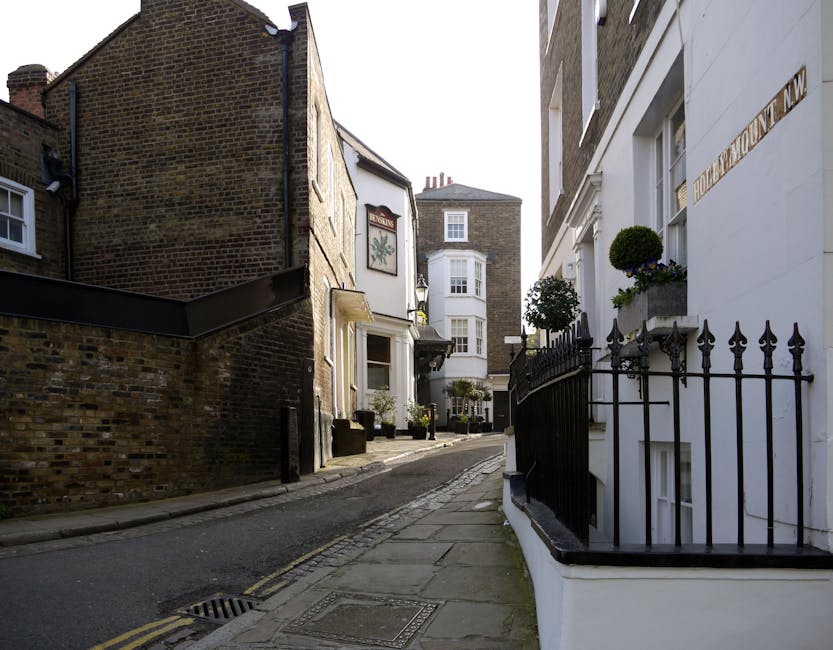
Hampstead has a very particular feel. It is leafy, elegant, and full of properties where the street scene matters almost as much as the building itself. That means floral displays are not just decorative extras. They can affect safety, neighbours, accessibility, and the wider look of the area.
In practical terms, the reason this topic matters is straightforward: a display that looks lovely on your own doorstep can still cause problems if it narrows a pavement, blocks sightlines, spills onto shared land, or creates a maintenance issue. And in a place like Hampstead, people notice. Quite a lot, actually.
Council rules and local expectations are there to help balance beauty with order. That balance is important for private homes, but it becomes even more relevant for businesses. A restaurant planter display, for example, can make a frontage feel warm and welcoming. At the same time, it may need to avoid interfering with pedestrian movement, access for prams or wheelchairs, or regular cleaning and refuse collection.
There is also a reputation issue. A well-managed display signals care. A cluttered, wilting, or badly placed one can send the opposite message. If you are trying to create a premium impression, that is not a small point.
Key takeaway: floral displays in Hampstead are never just about style. They need to work visually, practically, and safely within Camden's local environment.
In our experience, people often only think about permissions after a complaint or a problem has already appeared. It is much easier to plan the display properly from the start.
How Camden Council rules for Hampstead floral displays explained Works
There is no single one-size-fits-all rulebook that covers every floral display in every setting. Instead, what usually applies is a mix of local planning considerations, public highway issues, property responsibilities, and general nuisance or safety expectations. That sounds a bit fiddly, and to be fair, it can be.
The key question is usually: where is the display located, and who can be affected by it?
Here is the basic logic:
- Private land: Displays in gardens, behind front boundaries, or within your own curtilage are often the simplest to manage.
- Front boundaries and street-facing areas: These can raise visibility, safety, and maintenance considerations.
- Pavements and highway-adjacent spaces: These are the most sensitive because pedestrians, cyclists, and accessibility users may be affected.
- Shared or managed buildings: Flats, schools, churches, venues, and commercial premises often involve consent from multiple parties.
If a display is temporary, such as for an event or seasonal celebration, the practical expectations may be different from a permanent arrangement. But temporary does not mean exempt from common sense. A display that is up for one evening still needs to be stable, tidy, and safe.
Another important point: planning rules and property rules can overlap. For example, a floral installation on a listed or conservation-sensitive property may need more care than one in a standard suburban front garden. Even where formal permission is not needed, best practice still matters because local enforcement and neighbour complaints usually start with the same thing - concern about impact.
So how do you approach it? Start by asking a few practical questions:
- Does the display sit wholly on private land?
- Could it obstruct pedestrians, vehicles, or sightlines?
- Does it change the appearance of a protected frontage or building?
- Will it need watering, pruning, or regular cleaning?
- Could it attract clutter, waste, or litter if not maintained?
If you are still unsure at that point, that is normal. A quick check with a knowledgeable local florist, property manager, or a relevant council contact route is often the smartest next step.
Key Benefits and Practical Advantages
Getting floral displays right is not just about avoiding trouble. Done properly, they can bring real value.
- Better kerb appeal: A well-designed display makes a home or business feel cared for and inviting.
- Stronger brand impression: For cafes, salons, hotels, and boutiques, flowers can reinforce quality and attention to detail.
- Seasonal flexibility: Floral arrangements let you refresh a frontage without permanent structural changes.
- Neighbour goodwill: A thoughtful display is more likely to be appreciated than questioned.
- Practical control: Compared with hard landscaping, flowers and planters are easier to adjust if the layout is not quite right.
There is also a subtle but important benefit: a good floral display creates a sense of care before anyone even steps inside. That first impression matters. People feel it, even if they cannot quite explain why.
For businesses in Hampstead, this can be especially useful. A modest, well-kept display can make a premises feel more premium without needing a dramatic fit-out. And for residents, flowers are often the easiest way to soften a frontage that might otherwise feel plain or hard-edged.
One small but meaningful advantage is seasonal rhythm. Spring bulbs, summer colour, autumn textures, winter greenery - each season gives you a chance to shift the mood without starting from scratch. That is a nice feature when you want the place to feel alive all year.
Who This Is For and When It Makes Sense
This guide is relevant to a wider group than you might think. Floral displays are not just for keen gardeners. They matter to anyone who wants an attractive frontage in a place where presentation, safety, and context all matter.
You may find this especially useful if you are:
- a homeowner wanting window boxes, planters, or doorstep arrangements;
- a landlord or managing agent overseeing a shared entrance;
- a cafe, pub, salon, or boutique looking to improve street presence;
- an event organiser planning a temporary floral setup;
- a florist preparing a display for a Hampstead client;
- a wedding or funeral planner arranging flowers around a venue or service location;
- a resident in a terrace or apartment building where shared access is involved.
It also makes sense if you are simply trying to avoid the awkward stage where a beautifully arranged display gets taken down because someone says it is in the wrong place. That situation is more common than people admit. No one enjoys the "lovely flowers, but..." conversation.
For business owners, the question is often not whether a display is allowed in principle, but whether it is workable day to day. Can it be watered? Can staff move past it easily? Does it sit safely after closing time? Those are the real-world questions that matter.
For householders, the decision may be more about neighbour relations, building character, and whether the arrangement feels proportionate to the street. A grand display in the wrong spot can look overdone. A simple one in the right place can look elegant. That contrast is worth remembering.
Step-by-Step Guidance
If you want a floral display that looks good and stays sensible, it helps to work through the process in order. Rushing the setup is where small problems start.
1. Define the purpose of the display
Are you aiming for privacy, decoration, branding, celebration, or a seasonal refresh? The purpose affects the size, placement, and style. A wedding entrance display is not the same as a year-round shopfront planter.
2. Check the location carefully
Look at the exact spot in daylight and again at dusk if relevant. Notice where people walk, where doors open, where bins go, and where rainwater runs. Small details matter. A planter that looks fine at first glance can become a trip hazard or a pinch point once people actually move through the space.
3. Decide what sits on private land and what does not
This is one of the most important distinctions. If your flowers, planters, or decorative items extend beyond private property, or sit close to the pavement edge, the risk of a problem rises sharply. Keep a clear boundary in mind.
4. Match the scale to the setting
In Hampstead, restraint often works better than excess. That does not mean boring. It means proportionate. A narrow frontage needs a tighter arrangement. A grand entrance can carry something larger. Overcrowding tends to make displays feel less refined, not more.
5. Choose materials that can be maintained
Containers should be stable, weather-resistant, and easy to water. If you need specialist stands, liners, or weights, plan them in before installation. A display that topples in a gust of wind is not charming. It is just a cleanup job waiting to happen.
6. Think through upkeep
Ask who will water, deadhead, tidy, and replace tired stems. Flowers age, that is the honest bit. If no one is assigned to maintain them, the display can slide from elegant to scruffy in a matter of days.
7. Make sure access still works
Check that doors open freely, people can pass comfortably, and emergency access is not compromised. If you are near a shared entrance, keep the route clear. This is especially important for pushchairs, mobility aids, and delivery movement.
8. Review after installation
Stand back and look again. Better yet, walk past as a stranger would. Does it feel balanced? Is anything catching the eye for the wrong reason? Would you want to pass it in the rain, carrying shopping? Slightly odd question, maybe, but it reveals a lot.
Expert Tips for Better Results
The best floral displays are usually the ones that look effortless because someone planned them carefully. Here are a few practical tips that make a real difference.
- Use fewer, stronger focal points: One elegant planter arrangement can do more than five crowded little pots.
- Keep colour relationships simple: Soft whites, greens, blush tones, or seasonal mixes often feel calmer and more premium than too many competing shades.
- Repeat shapes for a polished look: Matching containers or repeated stem heights create visual order.
- Leave breathing space: Flowers need room to look intentional. Too tight and the display starts to feel fussy.
- Choose plants that suit the exposure: Shady north-facing fronts need different choices from sunny steps or exposed terraces.
One thing professionals often do well is think in layers. A base planter, a mid-height feature, and a few softer trailing elements can give structure without bulk. It is a bit like dressing a room. You do not need every surface covered.
If the display is for a business, consider the customer journey too. What do people see from across the road? What do they notice as they approach the door? What looks good in photos? Those three viewpoints are not always the same, and that is exactly why a quick design review helps.
And yes, weather matters. Hampstead can be lovely one moment and blustery the next. A display that looks perfect on a still morning can look a bit defeated after a windy afternoon, so favour stability over fragile drama. Flowers are meant to charm, not wobble.
Common Mistakes to Avoid
Most floral display problems are not dramatic. They are small oversights that add up.
- Blocking pedestrian space: Even a narrow obstruction can become frustrating on a busy pavement.
- Ignoring maintenance: A display that dries out or drops petals everywhere quickly loses its appeal.
- Using unstable containers: Lightweight pots can move, tip, or crack.
- Choosing the wrong scale: Oversized arrangements can dominate a frontage and feel out of place.
- Forgetting the weather: Rain, wind, and summer heat all affect appearance and lifespan.
- Assuming "temporary" means "no checks needed": Short-term displays still need planning.
- Not checking shared responsibility: In shared buildings, someone always has to maintain the display. Someone. Usually the person who notices first.
A particularly common mistake in local settings is not thinking about the full line of movement. People approach from angles, not from a carefully staged front-on photo. If you only inspect the display from one position, you may miss the practical issues.
Another one: choosing flowers solely for appearance, without considering scent, pollen, or upkeep. Beautiful lilies, for example, may be perfect for some contexts and less suitable for others. The right choice depends on where the display sits and who uses the space.
Tools, Resources and Recommendations
You do not need a huge kit to manage a good floral display, but a few practical tools help a lot.
- Stable planters or pots: Choose containers that will not tip easily and can handle outdoor conditions.
- Watering equipment: A proper watering can, hose access, or irrigation plan saves a lot of fuss.
- Securing materials: Use weights, trays, or fixings where appropriate and safe.
- Pruning scissors and deadheading tools: Handy for keeping stems tidy.
- Weather-aware plant selection: Match the planting to the location rather than forcing a style that does not suit the site.
- Simple maintenance schedule: A weekly check is often enough for smaller setups, while larger or commercial displays may need more frequent attention.
For Hampstead properties, it is also sensible to work with suppliers who understand local presentation standards and can suggest arrangements that look refined rather than overblown. If you need a delivery-based option for special occasions or recurring frontage refreshes, the site's florist in Hampstead NW6 and flower delivery Hampstead NW6 pages are useful starting points for understanding the local service offer.
For time-sensitive setups, especially before an event or opening day, same-day or next-day options can make a big difference. A practical route is to look at same-day flower delivery in Hampstead or next-day flower delivery Hampstead NW6 if the display needs to be turned around quickly.
If you are working to a budget, simpler seasonal mixes or value-led arrangements can still look smart. You do not always need a huge spend to create a tidy frontage. Sometimes a restrained design with clean lines works better than the expensive but crowded option.
Law, Compliance, Standards, or Best Practice
This is the part where caution matters. Floral display rules can involve several layers: property rights, local planning considerations, highway safety, and general nuisance or access concerns. The exact requirements depend on the location and the type of display, so it would not be sensible to pretend every case works the same way.
As a general best practice, keep these principles in mind:
- Do not assume the pavement is part of your display area.
- Keep pedestrian routes clear and usable.
- Avoid creating trip, slip, or collision risks.
- Respect shared entrances and neighbouring access.
- Check whether the property has any special constraints, such as heritage or conservation sensitivities.
- Make maintenance part of the plan, not an afterthought.
For businesses, there is also a reputational standard that goes beyond bare compliance. If a display looks tired, obstructive, or cluttered, customers notice. Staff notice too. And in a premium area like Hampstead, that perception is part of the experience.
It is sensible to keep records of any permissions, landlord approvals, building management notes, or agreed maintenance responsibilities. Nothing fancy. Just enough that everyone knows what was agreed, who is doing what, and when the display will be reviewed.
If in doubt, ask before installation rather than after. That simple step can save a surprising amount of time and awkwardness.
Options, Methods, or Comparison Table
Different types of floral display suit different goals. Here is a simple comparison to help you choose a sensible approach.
| Display type | Best for | Pros | Watch-outs |
|---|---|---|---|
| Window boxes | Homes and small shopfronts | Compact, charming, relatively easy to maintain | Need secure fixing and regular watering |
| Freestanding planters | Entrances, courtyards, small hospitality fronts | Flexible placement, strong visual impact | Can obstruct space if oversized |
| Hanging displays | Limited ground space, decorative facades | Eye-catching, saves floor space | Needs solid fixing and regular upkeep |
| Event floral installations | Weddings, launches, seasonal occasions | High visual effect, adaptable style | Temporary still needs safety checks |
| Mixed planted borders | Homes with front gardens | Natural look, seasonal continuity | Requires more room and longer-term care |
In a street like those found around Hampstead, the best option is often the one that feels least forced. A modest planter arrangement at the right scale can look more elegant than a large installation that tries too hard.
For occasion-led displays, you may also want to consider pairing flowers with a broader theme. A wedding entrance may call for softer white or blush tones, while a sympathy arrangement or memorial setting needs a calmer, more restrained approach. If you are planning for a ceremonial or commemorative occasion, it helps to browse the relevant local product categories, such as wedding flowers Hampstead NW6 or funeral flowers Hampstead NW6, depending on the context.
Case Study or Real-World Example
Picture a small Hampstead cafe with two shallow window ledges and a narrow pavement outside. The owner wants a floral display that makes the front feel warmer in spring. The first idea is fairly ambitious: two tall urns, trailing ivy, and a mix of large blooms at the entrance.
On paper, it sounds lovely. In practice, it would likely crowd the doorway, create a bottleneck for people waiting outside, and make daily cleaning awkward. So the owner scales back. They choose low, stable planters that sit fully within the frontage, keep the colours to soft whites and greens, and use one taller accent arrangement inside the window rather than outside.
The result is better in every way. The frontage still feels fresh and welcoming, but people can move comfortably, staff can clean easily, and the whole thing looks deliberate rather than overdone. That is the kind of adjustment professionals make all the time.
Another common real-world example is a terrace property with a shared front path. One resident wants decorative flowers by the gate. The others are fine with it, but only if the path remains fully passable and someone agrees to water the arrangement when they are away. A simple written agreement solves what could otherwise turn into a very small but surprisingly annoying dispute.
Small issues, big peace of mind. That tends to be how these things go.
Practical Checklist
Use this checklist before you install or refresh a floral display in Hampstead:
- Have you checked where the display will sit exactly?
- Does it stay fully clear of any public walkway or access route?
- Is the scale appropriate for the frontage?
- Are the containers stable and weather-resistant?
- Is there a clear maintenance plan for watering and tidying?
- Have you considered neighbours, shared access, and building rules?
- Could the display create a trip, slip, or obstruction risk?
- Have you matched the planting to light, exposure, and season?
- Do you need a temporary arrangement or a longer-term setup?
- Have you chosen colours and materials that suit the property style?
- Is there someone responsible if the display starts to look tired?
If you can tick most of those off, you are usually on the right track. If you cannot, pause and rethink. It is always easier to adjust a plan on paper than after installation.
Conclusion
Camden Council rules for Hampstead floral displays explained is really about balance: beauty, safety, practicality, and local character all working together. The best displays respect the space they are in. They enhance rather than crowd, calm rather than clutter, and feel part of the street instead of forced onto it.
Whether you are dressing a private frontage, preparing a business entrance, or planning a one-off event display, the same principles apply. Keep it proportionate. Keep it secure. Keep it maintainable. And if anything sits near shared space or the public realm, check carefully before you go ahead.
That approach saves time, avoids awkwardness, and usually leads to a better-looking result anyway. Flowers have enough natural charm on their own. They do not need the drama.
If you want a neat local solution for a front entrance, seasonal refresh, or time-sensitive arrangement, take a look at the local ordering options and choose the one that fits your space, your schedule, and your style.
Get a free quote today and see how much you can save.
Frequently Asked Questions
Do I need permission for floral displays in Hampstead?
It depends on where the display sits and how it affects the property or public space. Displays wholly on private land are often simpler, but anything near a pavement, shared entrance, or protected frontage may need closer checking.
Can I put planters on the pavement outside my home or business?
Not automatically. Pavement use is the area where problems most often arise, because pedestrians, accessibility users, and cleaning access all need space. It is wise to check before placing anything outside your boundary.
What counts as a floral display rather than ordinary planting?
A floral display usually means a deliberate decorative arrangement, such as planters, window boxes, or installed arrangements designed to improve appearance. Ordinary garden planting is often different because it sits naturally within private land and does not affect access in the same way.
Are temporary event flowers treated differently from permanent displays?
Usually, yes, in practical terms. A short-term wedding or launch display may be judged differently from a permanent frontage arrangement, but temporary does not mean unrestricted. Safety and access still matter.
What are the biggest risks with floral displays?
The main risks are obstruction, instability, poor maintenance, and conflict with shared or public space. A display that looks attractive but blocks movement or becomes untidy quickly can cause avoidable problems.
How can I keep a floral display looking good for longer?
Choose the right plants for the location, water them consistently, deadhead regularly, and use stable containers. Good maintenance is the difference between a display that lasts and one that fades after a few days.
Do businesses need to be more careful than homes?
Often, yes. Businesses have a stronger need to think about customer flow, branding, access, and appearance. A floral display can help a business look polished, but it should never interfere with safe entry or exit.
What should I do if neighbours complain about a floral display?
Start by listening carefully and checking the specific concern. It is often a question of scale, obstruction, scent, or maintenance. Small adjustments usually solve more than people expect, and a calm response goes a long way.
Can floral displays affect accessibility?
Yes, very much so. Anything that narrows a path, blocks a gate, or creates a hazard for mobility aids, prams, or visual navigation can become an accessibility issue. This is one of the most important things to review before installation.
What type of display works best for a Hampstead frontage?
Usually, the most successful display is proportionate, stable, and easy to maintain. Window boxes, modest planters, and restrained seasonal arrangements often suit Hampstead's setting better than oversized or cluttered installations.
Is it worth using a local florist for this kind of display?
Yes, especially if you want something that looks polished and suits the neighbourhood. A local florist is more likely to understand the scale, style, and practical expectations that work in Hampstead.
Where can I start if I need flowers quickly?
If timing is tight, look at local options that support quick turnaround, such as same-day or next-day services. For Hampstead-based arrangements, it can also help to review delivery-focused pages like same-day flower delivery in Hampstead and next-day flower delivery Hampstead NW6 before you decide.